Network Security: 25 Essential Strategies Every Business Must Know to Stay Protected

Introduction
In today’s connected world, almost every organization, business, and individual depends on digital networks. From online banking and cloud services to communication platforms and business applications, networks have become the foundation of modern life. However, as technology continues to grow, cyber threats are also becoming more advanced and dangerous.
Network Security plays a critical role in protecting computers, servers, applications, and sensitive information from unauthorized access, cyberattacks, and data breaches. It includes a wide range of technologies, policies, and practices designed to keep networks safe and ensure that digital resources remain available, confidential, and reliable.
Whether you are a small business owner, an IT professional, or a regular internet user, understanding Network Security is essential. A single security weakness can lead to financial losses, privacy problems, reputation damage, and disruption of important services.
This comprehensive guide explains what Network Security is, why it matters, how it works, common threats, important security tools, and the best practices organizations can follow to build a safer digital environment.
What Is Network Security?
Network Security is the process of protecting a computer network and its connected devices from unauthorized access, misuse, attacks, and security threats. It involves implementing security measures that prevent hackers and malicious users from gaining control over network systems.
A network can include computers, mobile devices, servers, routers, cloud systems, applications, and other connected technologies. Network Security ensures that these components communicate safely while protecting important data from being stolen or damaged.
The main goals of Network Security are often explained through the CIA Triad:
1. Confidentiality
Confidentiality ensures that sensitive information is only accessible to authorized users. Personal details, financial records, business documents, and private communications must remain protected from unauthorized individuals.
Encryption is one of the most common methods used to maintain confidentiality. It converts readable information into a secure format that cannot easily be understood without the correct key.
2. Integrity
Integrity protects data from being modified, deleted, or manipulated by unauthorized people. Businesses depend on accurate information to make decisions, manage operations, and serve customers.
Security controls such as digital signatures, access restrictions, and monitoring systems help maintain data integrity.
3. Availability
Availability ensures that networks and services remain accessible when users need them. Cyberattacks such as Distributed Denial-of-Service (DDoS) attacks can interrupt services by overwhelming network resources.
Strong security planning helps organizations maintain continuous operations even during security incidents.
Why Is Network Security Important?
The importance of Network Security has increased dramatically because businesses and individuals now store and exchange massive amounts of digital information every day.
Without proper protection, networks can become targets for cybercriminals who want to steal information, spread malware, demand ransom payments, or damage systems.
Protection Against Cyberattacks

Cybercriminals use different techniques to attack networks, including phishing, malware, ransomware, and unauthorized access attempts. Network Security helps identify and block these threats before they cause serious damage.
Protecting Sensitive Data
Companies store valuable information such as customer details, employee records, financial information, and confidential business strategies. A security breach can expose this data and create serious legal and financial problems.
Network Security solutions help protect sensitive information from theft and misuse.
Maintaining Business Operations
Modern businesses rely heavily on technology. A network failure or cyberattack can stop daily operations, reduce productivity, and affect customer trust.
Strong security systems help organizations continue working even when they face potential threats.
Building Customer Trust
Customers expect companies to protect their personal information. Businesses that invest in Network Security demonstrate responsibility and create stronger relationships with their users.
Common Types of Network Security
Network Security includes different technologies and methods that work together to protect digital environments.
Firewall Security
A firewall is one of the most common network security tools. It monitors incoming and outgoing network traffic and decides whether specific connections should be allowed or blocked.
Firewalls act as a protective barrier between trusted internal networks and potentially dangerous external networks such as the internet.
Modern firewalls can analyze traffic, detect suspicious behavior, and prevent unauthorized access attempts.
Antivirus and Anti-Malware Protection
Malware is a major threat to network security. Viruses, spyware, ransomware, and other malicious programs can damage systems and steal information.
Antivirus software detects, removes, and prevents malware infections. Regular updates are important because cybercriminals constantly create new types of malicious software.
Intrusion Detection and Prevention Systems
Intrusion Detection Systems (IDS) monitor network activity to identify suspicious behavior. When a possible attack is detected, alerts are generated for security teams.
Intrusion Prevention Systems (IPS) go a step further by automatically blocking harmful activities.
These technologies help organizations respond quickly to cyber threats.
Access Control
Access control determines who can access network resources and what actions they are allowed to perform.
Strong access control policies reduce the risk of unauthorized users accessing sensitive information.
Common access control methods include:
- Password authentication
- Multi-factor authentication
- Role-based access control
- Biometric verification
Virtual Private Network (VPN)
A Virtual Private Network creates a secure connection between a user and a network through encryption.
VPNs are commonly used by remote workers, businesses, and individuals who want to protect their online activities from unauthorized monitoring.
They are especially useful when connecting through public Wi-Fi networks.
Network Security Threats
As technology develops, cyber threats continue to evolve. Understanding common threats is an important part of protecting networks.
Malware Attacks
Malware refers to harmful software designed to damage systems, steal information, or gain unauthorized access.
Examples include:
- Viruses
- Worms
- Trojans
- Spyware
- Ransomware
Malware can enter networks through infected files, unsafe downloads, email attachments, or compromised websites.
Phishing Attacks
Phishing is a social engineering technique where attackers attempt to trick users into revealing sensitive information.
Attackers often create fake emails, websites, or messages that appear legitimate. These scams may request passwords, financial details, or login information.
Employee awareness training is one of the best ways to reduce phishing risks.
Ransomware
Ransomware is a type of malware that encrypts files and prevents users from accessing their data. Attackers then demand payment in exchange for restoring access.
Organizations can reduce ransomware risks by maintaining backups, updating software, and improving security monitoring.
Denial-of-Service Attacks

A Denial-of-Service attack attempts to make a network or service unavailable by sending excessive traffic or requests.
Businesses that depend on online services must use security solutions that can detect and reduce these attacks.
Insider Threats
Not all security risks come from outside attackers. Employees, contractors, or partners with access to systems can accidentally or intentionally create security problems.
Proper access management and monitoring help reduce insider threats.
The Future of Network Security
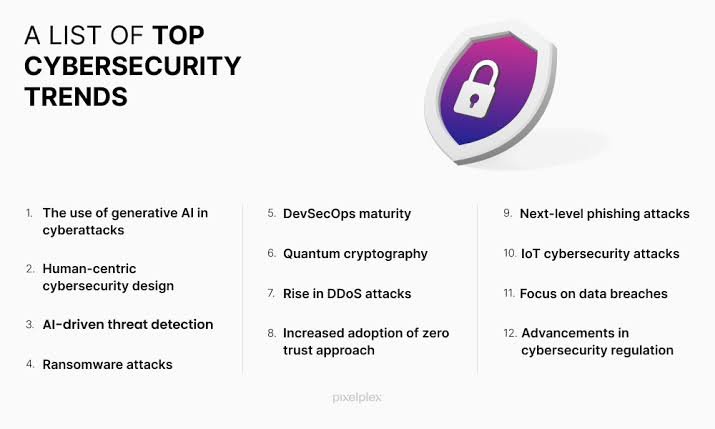
As businesses continue adopting cloud computing, artificial intelligence, and Internet of Things (IoT) devices, Network Security will become even more important.
Future security systems will rely on advanced technologies such as artificial intelligence, machine learning, automated threat detection, and zero-trust security models.
Organizations must continuously improve their security strategies because cyber threats are constantly changing.
Frequently Asked Questions (FAQs) About Network Security
1. What is Network Security?
Network Security is the practice of protecting computer networks, devices, applications, and data from unauthorized access, cyberattacks, and security threats. It uses different technologies, policies, and security methods to keep digital systems safe and reliable.
2. Why is Network Security important?
Network Security is important because it protects sensitive information, prevents cyberattacks, reduces financial losses, and helps businesses maintain continuous operations. Without proper security measures, networks can become vulnerable to hackers, malware, and data breaches.
3. What are the main goals of Network Security?
The main goals of Network Security are confidentiality, integrity, and availability. These goals ensure that data remains private, accurate, and accessible only to authorized users when needed.
4. What are the common types of Network Security?
Common types of Network Security include firewalls, antivirus protection, encryption, access control, Virtual Private Networks (VPNs), intrusion detection systems, intrusion prevention systems, and security monitoring tools.
5. What is a firewall in Network Security?
A firewall is a security system that monitors and controls network traffic. It creates a barrier between trusted networks and unsafe sources, helping block unauthorized access and suspicious activities.
6. How does encryption improve Network Security?
Encryption protects data by converting it into an unreadable format that can only be accessed with the correct decryption key. It helps prevent unauthorized users from understanding stolen or intercepted information.
7. What are the biggest threats to Network Security?
Some of the biggest Network Security threats include malware, ransomware, phishing attacks, DDoS attacks, password attacks, insider threats, and unauthorized access attempts.
8. What is the difference between Network Security and Cyber Security?
Network Security focuses specifically on protecting computer networks and connected systems, while Cyber Security is a broader field that includes protecting networks, devices, applications, data, and digital environments from all types of cyber threats.
9. How can businesses improve their Network Security?

Businesses can improve Network Security by using strong passwords, enabling multi-factor authentication, updating software regularly, training employees, using firewalls, monitoring network activity, and creating backup plans.
Conclusion
Network Security is a fundamental requirement in the digital age. It protects valuable information, prevents cyberattacks, and ensures that networks remain safe and reliable.
From firewalls and encryption to access control and threat monitoring, every security measure contributes to creating a stronger digital environment.
As technology continues to expand, investing in Network Security is no longer optional. It is a necessary step for individuals and organizations that want to protect their data, maintain trust, and operate safely in an increasingly connected world.