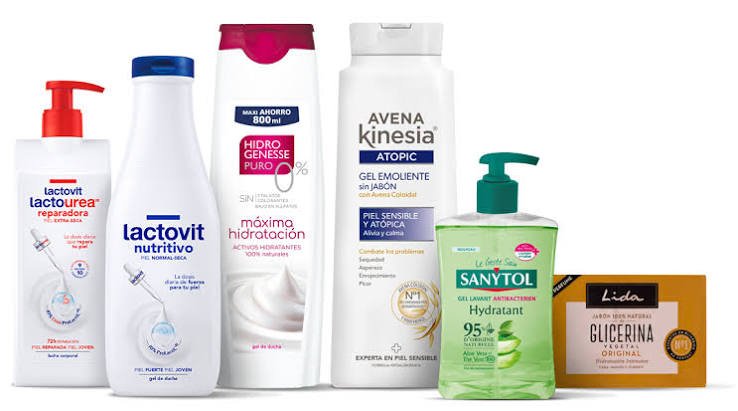
Personal Care: A Complete Guide to Maintaining a Healthy and Balanced Lifestyle

Introduction
Personal care is an essential part of everyday life. It involves the habits, routines, and activities people follow to maintain their physical health, emotional well-being, hygiene, and overall appearance. Although personal care may seem like a simple concept, it plays an important role in helping individuals feel comfortable, confident, and prepared to face daily challenges.
In today’s busy world, many people spend most of their time working, studying, managing family responsibilities, or dealing with other commitments. As a result, taking care of themselves often becomes a low priority. However, neglecting personal needs can gradually affect physical health, mental well-being, and quality of life.
The good news is that personal care does not require expensive products or complicated routines. Small, consistent habits can make a meaningful difference. From maintaining good hygiene and eating nutritious food to getting enough sleep and managing stress, there are many simple ways to improve daily life through better self-care.
What Is Personal Care?
Personal care refers to the daily practices that help people maintain cleanliness, health, comfort, and well-being. It includes activities such as bathing, brushing teeth, washing hands, caring for skin and hair, wearing clean clothes, and maintaining a healthy lifestyle.
However, personal care goes beyond physical cleanliness. It also includes paying attention to emotional needs, getting enough rest, staying physically active, and creating time for relaxation.
Every person has different personal care needs depending on their age, lifestyle, health, environment, and personal preferences. For example, someone who works outdoors may need a different skincare routine from someone who spends most of the day indoors. Similarly, older adults may require additional support with mobility, grooming, or daily hygiene.
The main purpose of personal care is to support a healthier and more comfortable life. When people develop suitable routines, they often find it easier to maintain their health, build confidence, and manage everyday responsibilities.
The Importance of Personal Hygiene
Personal hygiene is one of the most important aspects of personal care. Good hygiene helps remove dirt, sweat, and unwanted bacteria from the body. It also supports the prevention of certain infections and helps people feel fresh throughout the day.
Bathing or showering regularly, washing hands with soap, brushing teeth twice daily, and keeping nails clean are simple but valuable habits. These activities can reduce the spread of germs and help prevent common problems such as unpleasant body odor, tooth decay, and gum disease.
Oral hygiene deserves particular attention because dental health affects more than the appearance of a smile. Poor oral care can contribute to cavities, gum problems, and discomfort while eating. Regular brushing, cleaning between the teeth, and visiting a dental professional when needed can help maintain healthy teeth and gums.
Clean clothing is another important part of personal hygiene. Changing clothes when they become sweaty or dirty and washing towels and bedding regularly can improve comfort and cleanliness.
Good hygiene should never be about achieving perfection. Instead, it should focus on developing practical habits that support health and fit naturally into everyday life.
Skincare and Hair Care
Skin and hair care are common parts of personal care routines. The skin protects the body from environmental factors, while healthy hair and a clean scalp contribute to comfort and personal appearance.
A simple skincare routine usually includes gentle cleansing, moisturizing, and sun protection. The best products depend on individual skin type and needs. People with dry skin may benefit from a richer moisturizer, while those with oily skin may prefer lightweight products that do not feel heavy.
Sun protection is especially important for reducing the effects of ultraviolet radiation. Applying broad-spectrum sunscreen with SPF 30 or higher to exposed skin, following the product instructions, and seeking shade when appropriate can help protect against sun damage.
Hair care also depends on personal needs. Some people need frequent washing because of oil buildup or physical activity, while others can wash their hair less often. Using suitable shampoo, avoiding excessive heat styling, and treating the scalp gently can help maintain healthy hair.
It is worth remembering that more products do not necessarily produce better results. A simple routine that suits your needs is often easier to maintain and may be more effective than constantly trying new products.
Healthy Eating and Proper Hydration
Personal care is not limited to products applied to the body. What people eat and drink also has a direct relationship with their general health and energy levels.
A balanced diet provides essential nutrients that help the body function properly. Fruits, vegetables, whole grains, protein-rich foods, and healthy sources of fat can all contribute to a nutritious eating pattern. The right balance may vary depending on age, activity level, medical needs, and cultural food preferences.
Regular meals can help people maintain their energy throughout the day. Preparing meals at home, choosing a variety of foods, and paying attention to hunger and fullness are practical ways to develop healthier eating habits.
Hydration is equally important. Water supports normal body functions, helps regulate temperature, and assists digestion. Individual fluid needs vary depending on factors such as climate, physical activity, and health conditions. Drinking water regularly and increasing fluid intake when sweating heavily can help meet the body’s needs.
Healthy eating should not involve unnecessary restrictions or unrealistic expectations. Personal care works best when it focuses on sustainable choices rather than short-term changes.
Physical Activity and Exercise
Regular physical activity is another essential part of personal care. Exercise supports cardiovascular health, strengthens muscles, improves mobility, and can contribute to better sleep and mood.
People do not need to join an expensive gym to become more active. Walking, cycling, dancing, gardening, stretching, and exercising at home are all practical options. The most suitable activity is one that matches a person’s abilities, interests, and daily schedule.
Adults are generally encouraged to aim for at least 150 minutes of moderate-intensity aerobic activity each week, along with muscle-strengthening activities on two or more days, when appropriate for their health and abilities. However, even short periods of movement can be beneficial for people who are currently inactive.
For example, taking a brief walk during a lunch break or stretching after several hours of sitting can help introduce more movement into the day.
Consistency matters more than perfection. Starting with manageable activities and gradually increasing the duration or intensity can make exercise feel less overwhelming and easier to maintain over time.
Mental Health and Emotional Well-Being
Mental health is an important but sometimes overlooked part of personal care. People often focus on their physical appearance while ignoring stress, emotional exhaustion, and the need for rest.
Taking care of mental well-being begins with recognizing personal feelings and understanding when life becomes overwhelming. Talking with a trusted friend, spending time outdoors, enjoying a hobby, or writing down thoughts can provide healthy ways to manage everyday stress.
Setting boundaries is also important. Constantly saying yes to every request can leave people feeling exhausted and frustrated. Learning to manage responsibilities, protect personal time, and ask for help when necessary can create a healthier balance.
Relaxation does not have to involve elaborate activities. Listening to music, reading a book, practicing slow breathing, or spending a few quiet minutes away from screens can provide a welcome break from daily pressures.
If feelings of sadness, anxiety, or emotional distress persist or interfere with everyday life, seeking support from a qualified mental health professional can be a valuable step.
Personal care means understanding that emotional needs deserve attention just as much as physical needs.
The Role of Sleep in Personal Care
Sleep is essential for physical recovery, concentration, memory, and emotional regulation. When people regularly get insufficient sleep, they may experience tiredness, irritability, reduced productivity, and difficulty focusing.
Most adults need at least seven hours of sleep per night, although individual needs can vary. Developing a consistent bedtime and wake-up time can help establish a healthier sleep routine.
The sleeping environment also matters. A quiet, comfortable, and dark bedroom may make it easier to fall asleep. Reducing caffeine intake later in the day and limiting stimulating activities before bedtime can also help some people sleep better.
Using phones or watching television late at night may interfere with relaxation, particularly when screen use keeps the mind active. Creating a calming evening routine can help signal that it is time to rest.
Good sleep should be viewed as a basic health need rather than a reward that people receive only after completing all their work.
Choosing the Right Personal Care Products
Personal care products can support hygiene, grooming, and comfort when selected carefully. Common examples include soaps, shampoos, moisturizers, deodorants, toothpaste, sunscreen, and other products designed for specific needs.
Before purchasing a product, consider your skin type, personal preferences, ingredients, and budget. A higher price does not automatically mean that a product is better. Many affordable options can work well when they are appropriate for the intended purpose.
People with sensitive skin may benefit from fragrance-free products and should introduce new skincare products gradually. Reading labels and following usage instructions can help reduce the risk of irritation or misuse.
It is also important to pay attention to expiration dates, store products properly, and avoid sharing items such as razors or toothbrushes.
When a product causes persistent redness, itching, swelling, or discomfort, stop using it and seek professional advice if symptoms are significant or continue.
The goal is to find products that meet individual needs without making personal care unnecessarily expensive or complicated.
Personal Care for Different Stages of Life
Personal care needs change throughout life. Children require guidance and supervision to develop healthy hygiene habits, while teenagers may need information about changing skin, body odor, and puberty.
Adults often balance personal care with work, relationships, and family responsibilities. Creating realistic routines can help them maintain their health without adding unnecessary pressure to their schedules.
Older adults may face additional challenges involving mobility, vision, memory, or chronic health conditions. In these situations, personal care may include assistance with bathing, dressing, grooming, medication routines, or other daily activities.
Care should always respect personal dignity, independence, privacy, and individual preferences. When assistance is necessary, involving the person in decisions about their routine can help them feel respected and comfortable.
There is no single personal care plan that works for everyone. The best approach adapts to changing needs and focuses on safety, comfort, and quality of life.
How to Build a Simple Personal Care Routine
Creating a personal care routine becomes easier when it is divided into manageable steps. Instead of changing every habit at once, begin with a few activities that fit your lifestyle.
Start the morning with basic hygiene, clean clothing, and a nutritious breakfast if it suits your schedule. During the day, drink water regularly, eat balanced meals, and take opportunities to move your body.
In the evening, make time for oral hygiene, gentle skincare if needed, and a relaxing activity before bed. Try to maintain a consistent sleep schedule whenever possible.
It can also help to prepare personal care products in advance, organize your bathroom essentials, and keep frequently used items within easy reach.
Remember that routines should remain flexible. Busy days, travel, illness, and unexpected responsibilities can interrupt even the best plans. Missing a habit occasionally does not mean that you have failed. Simply return to your routine when you can.
Conclusion
Personal care is much more than maintaining a clean appearance. It is a practical way to support physical health, emotional balance, confidence, and everyday comfort. Good hygiene, suitable skincare, nutritious food, regular movement, adequate sleep, and stress management all contribute to a healthier lifestyle.
The most effective personal care routine is not necessarily the most expensive or complicated one. It is the routine that meets your needs, fits your circumstances, and remains manageable over time.
By making small improvements and treating personal well-being as an important part of daily life, anyone can develop healthier habits. Taking care of yourself is not selfish or unnecessary. It is a meaningful investment in your health, happiness, and long-term quality of life.


