Identity Management: The Ultimate 2026 Guide to Benefits, Security, Solutions, and Future Trends

Introduction
In today’s digital world, identity has become one of the most valuable assets for individuals and organizations. Every time a person logs into an application, accesses company data, uses a cloud service, or connects with a digital platform, identity plays a critical role in determining who they are and what they are allowed to do.
This is where Identity Management becomes essential. Identity Management is a modern approach that helps organizations create, manage, secure, and control digital identities. It ensures that the right people get access to the right resources at the right time while preventing unauthorized users from accessing sensitive information.
With the rapid growth of cloud computing, remote work, mobile applications, and online services, businesses are facing increasing cybersecurity challenges. Traditional security methods are no longer enough to protect valuable data. Identity Management provides a smarter and more efficient way to improve security, increase productivity, and simplify access control.
Organizations of all sizes, from small businesses to global enterprises, are adopting Identity Management solutions to protect their digital environments. These solutions help manage employee accounts, customer identities, devices, applications, and access permissions from a centralized system.
This comprehensive guide explains everything about Identity Management, including its meaning, importance, working process, benefits, challenges, technologies, and future developments.
What Is Identity Management?
Identity Management is the process of managing digital identities and controlling user access to systems, applications, networks, and information resources. It involves creating user identities, verifying users, assigning permissions, monitoring activities, and removing access when it is no longer required.
A digital identity represents information about a person, organization, device, or system in an online environment. This identity may include details such as:
- Username
- Email address
- Password credentials
- Personal information
- Employee role
- Access permissions
- Security authentication data
The main purpose of Identity Management is to make sure that users can securely access the resources they need without creating unnecessary security risks.
For example, when a new employee joins a company, Identity Management allows administrators to create an account, provide access to required applications, and assign permissions according to the employee’s job role. When that employee leaves the organization, the same system can remove access immediately to prevent security problems.
Why Is Identity Management Important?
The importance of Identity Management has increased significantly because businesses now depend heavily on digital technologies. Companies store large amounts of sensitive information online, including financial records, customer details, business strategies, and confidential documents.
Without proper identity control, organizations become vulnerable to:
- Data breaches
- Unauthorized access
- Identity theft
- Insider threats
- Compliance violations
- Cyberattacks
Identity Management helps organizations reduce these risks by ensuring that only authorized users can access protected resources.
1. Improved Security
Security is one of the biggest reasons organizations implement Identity Management systems. By managing user identities and access permissions, companies can prevent unauthorized access and protect sensitive data.
Advanced Identity Management solutions often include security features such as:
- Multi-factor authentication
- Password management
- User activity monitoring
- Risk-based authentication
- Automated access control
These features make it more difficult for attackers to compromise accounts.
2. Better User Experience
Security should not make technology difficult to use. Identity Management improves user experience by making access faster and easier.
Features such as Single Sign-On (SSO) allow users to access multiple applications with one secure login. This reduces the need to remember multiple passwords and saves valuable time.
3. Regulatory Compliance
Many industries must follow strict data protection regulations. Identity Management helps organizations meet compliance requirements by maintaining accurate records of user access and activities.
Industries such as healthcare, banking, government, and finance rely heavily on Identity Management to protect sensitive information and maintain regulatory standards.
4. Increased Productivity
Manual account management can consume significant time for IT teams. Identity Management automates many tasks, including:
- Creating accounts
- Updating user information
- Managing permissions
- Removing inactive accounts
Automation allows IT professionals to focus on more important security and technology projects.
How Does Identity Management Work?
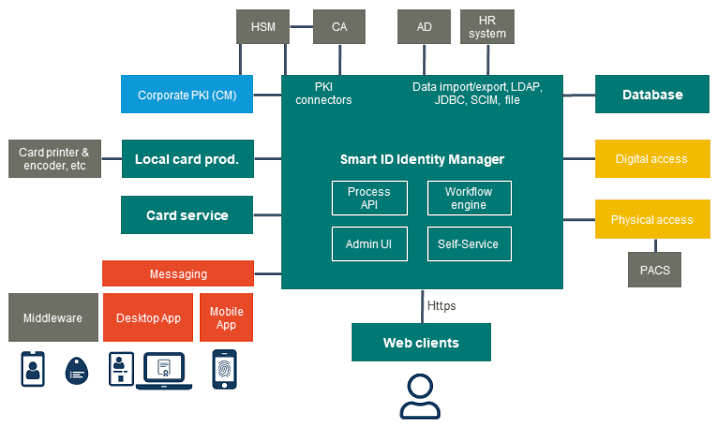
Identity Management works through several connected processes that help organizations manage digital identities securely.
Identity Creation
The first step is creating a digital identity. When a new user joins an organization, administrators create an account containing important information about that user.
This process may include:
- Collecting user details
- Creating login credentials
- Assigning roles
- Setting access permissions
Authentication
Authentication is the process of verifying whether a user is really who they claim to be.
Common authentication methods include:
- Passwords
- Security tokens
- Fingerprints
- Facial recognition
- Authentication applications
Modern organizations often use multiple authentication methods to increase security.
Authorization
After authentication, the system determines what resources the user can access. This process is called authorization.
For example, an employee in the marketing department may access marketing tools but may not have permission to view financial records.
Access Management
Access management controls user permissions throughout the identity lifecycle. It ensures that users only receive access necessary for their responsibilities.
Identity Monitoring
Identity Management systems continuously monitor user activities to detect suspicious behavior and security threats.
Key Components of Identity Management
Identity Management consists of several important components that work together to provide secure digital access.
Identity Lifecycle Management
Identity lifecycle management manages identities from creation to deletion.
The lifecycle usually includes:
- User onboarding
- Access assignment
- Permission updates
- Role changes
- Account removal
Managing the complete lifecycle reduces security risks and improves efficiency.
Authentication Management
Authentication management ensures that users prove their identity before accessing resources.
Modern authentication systems use advanced technologies to improve security and reduce unauthorized access.
Access Control
Access control determines which users can access specific systems and information.
Organizations commonly use access control models such as:
- Role-Based Access Control (RBAC)
- Attribute-Based Access Control (ABAC)
- Policy-Based Access Control
Identity Governance
Identity governance focuses on ensuring that identity processes follow company policies and compliance requirements.
It helps organizations answer important questions:
- Who has access?
- Why do they have access?
- Is the access still required?
- Who approved the permission?
Identity Management and Cybersecurity
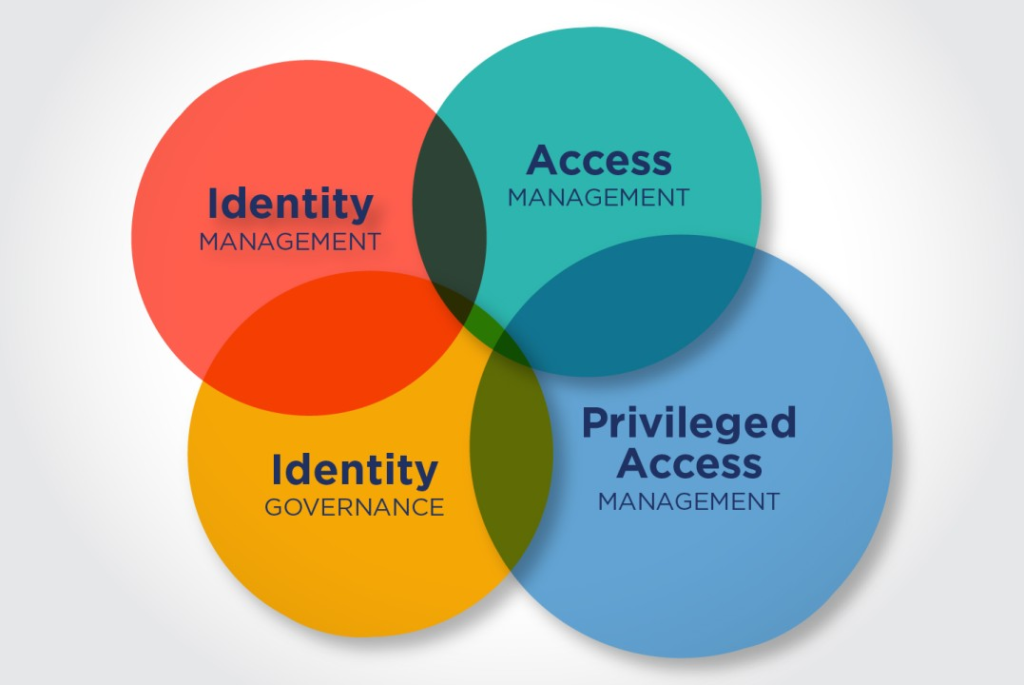
Cybersecurity and Identity Management are closely connected. Many modern cyberattacks target user identities rather than directly attacking systems.
Attackers often attempt to:
- Steal passwords
- Access employee accounts
- Pretend to be legitimate users
- Gain unauthorized system access
Strong Identity Management reduces these risks by protecting user accounts and controlling access.
A secure identity strategy usually includes:
- Strong authentication
- Regular access reviews
- Least privilege access
- Continuous monitoring
- Automated security policies
As organizations continue moving toward digital environments, Identity Management has become a core part of cybersecurity strategies.
Frequently Asked Questions (FAQs) About Identity Management
1. What is Identity Management in simple terms?
Identity Management is a system and process used to manage digital identities and control access to online resources. It helps organizations ensure that the right users can access the right information while preventing unauthorized access.
2. Why is Identity Management important for businesses?
Identity Management is important because it improves security, protects sensitive information, reduces the risk of cyberattacks, and helps organizations manage user access efficiently. It also supports compliance with data protection regulations.
3. What are the main components of Identity Management?
The main components of Identity Management include identity creation, authentication, authorization, access control, identity governance, user lifecycle management, and activity monitoring.
4. How does Identity Management improve cybersecurity?
Identity Management improves cybersecurity by controlling who can access systems and data. It uses security methods such as Multi-Factor Authentication (MFA), Single Sign-On (SSO), access policies, and continuous monitoring to reduce security threats.
5. What is the difference between Identity Management and Access Management?
Identity Management focuses on creating, managing, and protecting digital identities, while Access Management focuses on controlling what resources users can access after their identity has been verified.
Both systems work together to provide secure digital access.
6. What is Identity and Access Management (IAM)?
Identity and Access Management (IAM) is a broader security framework that combines identity management and access management. IAM helps organizations manage user identities, authenticate users, and control access to applications, networks, and data.
7. How does Single Sign-On (SSO) work in Identity Management?
Single Sign-On allows users to access multiple applications using one set of login credentials. Instead of remembering different passwords for every service, users can securely access multiple platforms through a single authentication process.
8. What role does Multi-Factor Authentication play in Identity Management?
Multi-Factor Authentication adds an extra layer of security by requiring users to verify their identity through multiple methods, such as a password, mobile verification code, fingerprint, or security token.
9. Can small businesses use Identity Management solutions?
Yes, Identity Management solutions are useful for businesses of all sizes. Small businesses can use them to improve security, manage employee access, protect customer information, and reduce administrative tasks.
10. What are the common challenges of Identity Management?
Common Identity Management challenges include managing large numbers of users, maintaining accurate access permissions, preventing identity theft, integrating different applications, and ensuring compliance with security regulations.
11. Is Identity Management only for employees?
No. Identity Management can manage identities for employees, customers, partners, contractors, devices, and applications. It supports secure access for different types of users.
12. What is the future of Identity Management?
The future of Identity Management will include more advanced technologies such as artificial intelligence, machine learning, passwordless authentication, biometric security, and zero-trust security models.
Conclusion: The Growing Importance of Identity Management
Identity Management has become a critical part of modern digital security. As organizations continue to depend on cloud services, online applications, and remote working environments, protecting digital identities is more important than ever.
A strong Identity Management strategy helps businesses secure valuable information, prevent unauthorized access, improve productivity, and provide users with a smooth digital experience. By managing identities effectively, organizations can maintain better control over their systems while reducing cybersecurity risks.
Modern Identity Management solutions provide powerful features such as authentication management, access control, Single Sign-On, Multi-Factor Authentication, and identity governance. These technologies allow companies to create a safer and more efficient digital environment.
The increasing number of cyber threats shows that traditional security methods are no longer enough. Organizations must focus on protecting identities because compromised accounts are often the first step in major security incidents.
In the future, Identity Management will continue to evolve with advanced technologies such as artificial intelligence, automation, and biometric authentication. Businesses that invest in reliable Identity Management solutions will be better prepared to protect their data, support digital transformation, and build trust with users.
Whether an organization is small or large, Identity Management is no longer just an IT requirement. It is a fundamental security strategy that helps create a safer, smarter, and more connected digital world.