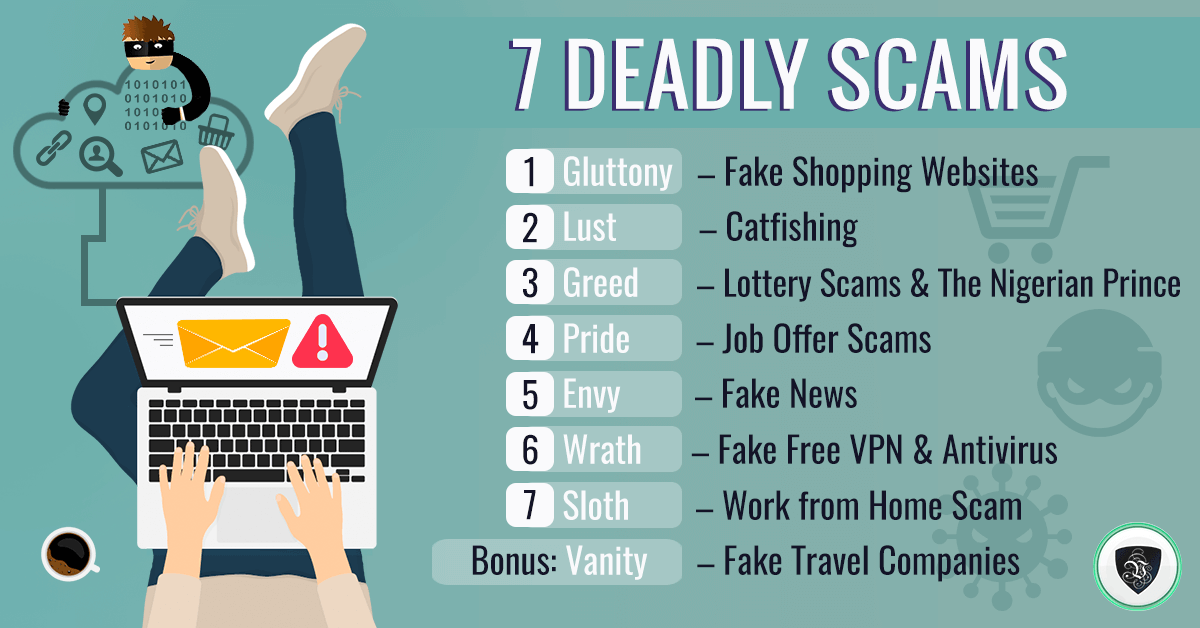

The internet has made life more convenient than ever before. We can shop, bank, communicate, and work from almost anywhere in the world. Unfortunately, this convenience has also created new opportunities for cybercriminals. Every day, millions of people are targeted by online scams designed to steal money, personal information, or access to valuable accounts.
Scammers are becoming increasingly sophisticated, making their fake emails, websites, and messages look more convincing than ever. Understanding how these scams work is the first step toward protecting yourself. In this article, we’ll explore some of the most dangerous online scams and share practical tips to help you avoid becoming a victim.
Why Online Scams Are So Effective
Online scams succeed because they often rely on human emotions rather than technical tricks. Scammers use fear, excitement, urgency, curiosity, or trust to pressure people into making quick decisions without thinking carefully.
For example, you might receive a message claiming your bank account has been locked, you’ve won a prize, or a family member needs emergency financial help. These situations encourage immediate action, making it easier for scammers to manipulate victims.
Learning to recognize these tactics can help you avoid falling into their traps.
1. Phishing Scams
Phishing is one of the most common and dangerous online scams. Attackers send fake emails, text messages, or social media messages pretending to be trusted organizations such as banks, online stores, delivery companies, or government agencies.
These messages often contain links that lead to fake websites designed to steal your login credentials, financial information, or personal data.
Warning Signs
- Unexpected requests to verify your account
- Urgent messages demanding immediate action
- Misspelled company names or unusual email addresses
- Suspicious links or attachments
- Requests for passwords or payment information
How to Avoid It
- Verify the sender before clicking any links.
- Type website addresses directly into your browser instead of using email links.
- Enable multi-factor authentication (MFA) on your important accounts.
- Never share passwords through email or text messages.
2. Fake Online Shopping Websites
Online shopping scams have increased significantly in recent years. Scammers create fake e-commerce websites offering popular products at unbelievably low prices.
Once customers make a purchase, they may receive counterfeit products, nothing at all, or have their payment information stolen.
Warning Signs
- Prices that seem too good to be true
- No customer reviews
- Missing contact information
- Poor website design and grammar
- Only accepting unusual payment methods
How to Avoid It
- Shop from reputable retailers.
- Read customer reviews before buying.
- Check for secure website connections (HTTPS).
- Use credit cards or trusted payment services that offer buyer protection.
3. Tech Support Scams
In a tech support scam, criminals pretend to represent well-known technology companies. They may contact you through pop-up warnings, phone calls, emails, or fake websites claiming your computer is infected with viruses.
Their goal is to convince you to install remote access software or pay for unnecessary services.
Warning Signs
- Unexpected calls about computer problems
- Pop-up messages saying your device is infected
- Requests for remote access
- Demands for immediate payment
How to Avoid It
- Ignore unexpected tech support calls.
- Close suspicious browser pop-ups.
- Contact the company directly using its official website if you’re unsure.
- Never allow strangers remote access to your device.
4. Investment and Cryptocurrency Scams
Scammers often promise guaranteed profits through fake investment platforms, cryptocurrency schemes, or trading opportunities.
These scams frequently advertise unrealistic returns with little or no risk.
Warning Signs
- Guaranteed investment returns
- Pressure to invest immediately
- Celebrity endorsements that seem suspicious
- Requests for cryptocurrency payments
- Lack of company transparency
How to Avoid It
- Research investment companies thoroughly.
- Be skeptical of guaranteed profits.
- Never invest money based solely on social media advertisements.
- Verify licenses with financial regulators.
5. Romance Scams
Romance scammers build emotional relationships through dating websites or social media before requesting money.
They often create fake identities and spend weeks or months earning a victim’s trust.
Eventually, they invent emergencies involving medical bills, travel expenses, or family crises.
Warning Signs
- Quickly expressing strong feelings
- Avoiding video calls
- Refusing to meet in person
- Repeated requests for financial assistance
How to Avoid It
- Be cautious with online relationships.
- Verify identities through video calls.
- Never send money to someone you’ve only met online.
- Discuss suspicious situations with trusted friends or family.
6. Lottery and Prize Scams
You receive an email or message claiming you’ve won a lottery, contest, or expensive prize—but first, you must pay taxes or processing fees.
Legitimate lotteries don’t require winners to pay money upfront.
Warning Signs
- Winning contests you never entered
- Requests for advance payments
- Poor grammar and spelling
- Urgent deadlines to claim prizes
How to Avoid It
- Ignore unexpected prize notifications.
- Never pay fees to receive winnings.
- Verify contests through official websites.
7. Fake Job Offers
Employment scams target people looking for remote or flexible work.
Scammers may ask applicants to pay for training, equipment, or background checks before starting the job.
Others collect personal information for identity theft.
Warning Signs
- Extremely high salaries for little work
- Requests for upfront payments
- Interviews conducted only through messaging apps
- Job offers without interviews
How to Avoid It
- Research the employer.
- Never pay to get a job.
- Apply through official company websites.
- Verify recruiter contact information.
8. Charity Donation Scams
After natural disasters or major news events, scammers often create fake charities requesting donations.
These scams take advantage of people’s willingness to help others.
Warning Signs
- Emotional pressure to donate immediately
- Unverified charities
- Requests for gift cards or cryptocurrency
- Lack of official documentation
How to Avoid It
- Donate through established charities.
- Verify nonprofit organizations before contributing.
- Avoid responding to unsolicited donation requests.
9. Social Media Impersonation Scams
Scammers create fake accounts pretending to be friends, celebrities, businesses, or customer support representatives.
They may ask for money, account verification, or personal information.
Warning Signs
- Duplicate friend requests
- Messages requesting money
- Fake giveaways
- Accounts with very few followers or recent activity
How to Avoid It
- Verify profiles carefully.
- Contact friends through another method if something seems unusual.
- Report fake accounts to the platform.
10. Account Verification Scams
You may receive emails or text messages claiming there’s a problem with your account and asking you to log in immediately.
The provided link leads to a fake login page designed to steal your credentials.
Warning Signs
- Urgent security alerts
- Generic greetings like “Dear Customer”
- Unexpected password reset requests
- Suspicious website addresses
How to Avoid It
- Visit websites directly instead of clicking email links.
- Enable MFA for important accounts.
- Check recent account activity regularly.
General Tips to Stay Safe Online
Protecting yourself from online scams doesn’t require advanced technical skills. Following these habits can dramatically reduce your risk:
- Use strong, unique passwords for every account.
- Enable multi-factor authentication wherever possible.
- Keep your devices and software updated.
- Avoid clicking links in unexpected emails or text messages.
- Verify websites before entering personal information.
- Monitor your bank and credit card statements regularly.
- Be cautious when sharing personal details online.
- Trust your instincts—if something feels suspicious, investigate before acting.
What to Do If You Think You’ve Been Scammed
If you believe you’ve fallen victim to an online scam, act quickly:
- Change the passwords for affected accounts immediately.
- Enable multi-factor authentication if it isn’t already active.
- Contact your bank or credit card provider if financial information was exposed.
- Scan your devices using reputable antivirus software.
- Report the scam to the relevant platform or authorities.
- Monitor your accounts for unusual activity over the following weeks.
Quick action can help reduce the impact of a scam and prevent further damage.
Final Thoughts
Online scams are becoming more convincing every year, but awareness remains one of the strongest forms of protection. By understanding how scammers operate and recognizing common warning signs, you can avoid many of the traps that lead to financial loss or identity theft.
Always take a moment to verify unexpected messages, think carefully before sharing personal information, and avoid making decisions based on pressure or urgency. Practicing these simple habits will help you browse, shop, and communicate online with greater confidence and security.


