15 Powerful Client Success Secrets for Building Strong Relationships and Long-Term Business Growth

Introduction
Every successful business has one thing in common: satisfied clients. While attracting new customers is important, keeping existing clients happy and helping them achieve their goals is what creates sustainable growth. This philosophy is known as client success.
Client success goes beyond providing a product or service. It focuses on ensuring that clients achieve the results they expected—and ideally even more. When clients succeed, they remain loyal, recommend your business to others, and contribute to long-term revenue growth.
Businesses of every size, from freelancers and startups to multinational corporations, can benefit from a client success strategy. Whether you run a marketing agency, software company, consulting firm, law office, healthcare practice, or e-commerce business, putting clients at the center of every decision helps build trust and long-lasting relationships.
This guide explores every aspect of client success, including its importance, principles, strategies, challenges, tools, and future trends. By the end, you’ll have a clear understanding of how to create exceptional client experiences that lead to lasting success.
Chapter 1: Understanding Client Success
What Is Client Success?
Client success is a proactive approach to helping clients achieve their desired outcomes while using your products or services.
Instead of waiting for clients to experience problems, businesses anticipate their needs, provide guidance, and offer continuous support throughout the customer journey.
Client success includes:
- Understanding client goals
- Providing personalized support
- Delivering measurable value
- Maintaining regular communication
- Solving problems before they become serious
- Building long-term relationships
The ultimate objective is to help clients achieve success while strengthening the partnership between the client and the business.
Why Client Success Matters
Acquiring a new customer often costs significantly more than retaining an existing one. Businesses that invest in client success benefit from stronger relationships, higher customer satisfaction, improved retention, and increased lifetime value.
When clients experience positive outcomes, they are more likely to:
- Renew contracts
- Purchase additional services
- Recommend the company
- Leave positive reviews
- Become long-term advocates
These outcomes reduce marketing costs while increasing profitability.
Client Success vs. Customer Service
Although the terms are often used interchangeably, they represent different approaches.
Customer Service
Customer service is reactive. Clients contact the company when they need help.
Examples include:
- Answering questions
- Resolving technical issues
- Processing refunds
- Handling complaints
Client Success
Client success is proactive.
Instead of waiting for issues, client success teams:
- Monitor progress
- Schedule check-ins
- Share best practices
- Recommend improvements
- Identify risks early
- Help clients maximize value
This proactive mindset creates stronger relationships and better long-term outcomes.
The Evolution of Client Success
Years ago, businesses primarily focused on making sales. Once the transaction was complete, communication often ended.
Today, modern businesses recognize that long-term relationships generate more value than one-time purchases.
The rise of subscription-based services, cloud software, digital agencies, and recurring revenue models has made client success an essential business function.
Companies now invest in dedicated client success teams whose responsibility is to ensure clients achieve measurable success.
The Core Principles of Client Success
1. Put the Client First
Every decision should prioritize client outcomes.
Understanding client objectives helps businesses deliver solutions that align with real needs rather than assumptions.
2. Build Trust
Trust develops through:
- Honest communication
- Consistent performance
- Transparency
- Reliability
Clients who trust your business are more likely to continue working with you for years.
3. Deliver Value Continuously

Success isn’t achieved through a single interaction.
Businesses should continuously identify opportunities to improve client outcomes through education, innovation, and strategic advice.
4. Communicate Regularly
Frequent communication prevents misunderstandings and strengthens relationships.
Effective communication includes:
- Monthly reports
- Progress updates
- Strategic meetings
- Email newsletters
- Educational resources
5. Measure Success
Businesses should establish measurable goals from the beginning.
Examples include:
- Increased revenue
- Higher website traffic
- Improved productivity
- Reduced operating costs
- Better customer engagement
- Higher conversion rates
Tracking these metrics demonstrates the value delivered to clients.
Benefits of Client Success
Organizations that prioritize client success experience numerous advantages.
Increased Client Retention
Satisfied clients remain loyal longer.
Retention improves recurring revenue and reduces acquisition costs.
Higher Customer Lifetime Value
Clients who trust a business often purchase additional services and expand their contracts over time.
Better Reputation
Positive experiences lead to:
- Testimonials
- Reviews
- Referrals
- Case studies
These strengthen brand credibility and attract new business.
Stronger Competitive Advantage
Many businesses offer similar products.
Exceptional client success becomes a key differentiator.
Companies known for outstanding support often outperform competitors with comparable products.
Increased Revenue
Happy clients are more likely to:
- Upgrade services
- Renew subscriptions
- Recommend others
- Purchase complementary products
These behaviors contribute to sustainable business growth.
The Client Journey
Understanding the client journey helps businesses provide value at every stage.
Awareness
The client identifies a problem and begins researching solutions.
Businesses should provide:
- Educational articles
- Videos
- Guides
- Case studies
Consideration
Clients compare providers.
Trust becomes a deciding factor.
Businesses should demonstrate:
- Expertise
- Experience
- Social proof
- Success stories
Purchase
The buying experience should be simple, transparent, and efficient.
Clear expectations help establish confidence.
Onboarding
The onboarding process shapes first impressions.
Successful onboarding includes:
- Welcome meetings
- Goal setting
- Product training
- Resource sharing
- Dedicated support
Adoption
Clients begin using the product or service.
Businesses should monitor engagement and offer assistance when necessary.
Growth
As clients achieve results, businesses can introduce advanced features or complementary services that align with their evolving needs.
Advocacy
Satisfied clients become promoters.
They recommend your business through word of mouth, online reviews, testimonials, and referrals.
Frequently Asked Questions (FAQs) About Client Success
1. What is client success?
Client success is a proactive business strategy focused on helping clients achieve their desired goals and maximize the value they receive from a company’s products or services. It emphasizes long-term relationships, satisfaction, and measurable results.
2. Why is client success important?
Client success is important because it improves customer satisfaction, increases client retention, strengthens loyalty, generates referrals, and supports long-term business growth. Businesses that invest in client success often experience higher customer lifetime value and recurring revenue.
3. What is the difference between client success and customer service?
Customer service is reactive, assisting clients after they encounter a problem or have a question. Client success is proactive, working closely with clients to prevent issues, provide guidance, and ensure they achieve their goals before challenges arise.
4. How can businesses improve client success?
Businesses can improve client success by understanding client goals, maintaining regular communication, providing personalized support, tracking performance metrics, offering educational resources, and continuously improving their products or services based on client feedback.
5. What skills are essential for a client success manager?
A successful client success manager should have strong communication skills, problem-solving abilities, empathy, relationship-building expertise, strategic thinking, project management knowledge, and the ability to analyze customer data to identify opportunities for improvement.
6. How do you measure client success?
Client success can be measured using key performance indicators (KPIs) such as customer retention rate, customer satisfaction (CSAT), Net Promoter Score (NPS), customer lifetime value (CLV), renewal rate, product adoption, and client engagement levels.
7. What are the benefits of a strong client success strategy?
A strong client success strategy helps businesses increase client retention, build trust, improve brand reputation, boost recurring revenue, encourage referrals, reduce customer churn, and create lasting business relationships.
8. What role does communication play in client success?
Effective communication is the foundation of client success. Regular updates, clear expectations, timely responses, and proactive check-ins help build trust, strengthen relationships, and ensure clients receive ongoing value from the partnership.
9. Which industries benefit most from client success?
Client success benefits nearly every industry, including SaaS, digital marketing agencies, consulting firms, healthcare, financial services, education, legal services, real estate, IT services, and e-commerce businesses. Any organization that values long-term client relationships can benefit from a client success approach.
10. What is the ultimate goal of client success?
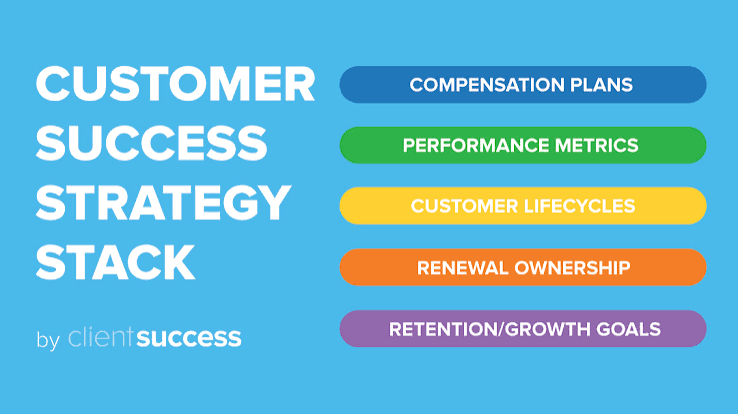
The ultimate goal of client success is to help clients achieve meaningful results while building long-term, mutually beneficial relationships. When clients succeed, businesses also benefit through increased loyalty, repeat business, positive referrals, and sustainable growth.
Conclusion
Client success is the foundation of lasting business growth and strong customer relationships. By understanding client needs, delivering consistent value, and providing proactive support, businesses can build trust, increase loyalty, and achieve sustainable success. A client-focused approach not only benefits customers but also drives long-term profitability and a competitive advantage.