Threat Detection Explained: 10 Powerful Benefits of Modern Cybersecurity Technology

Introduction
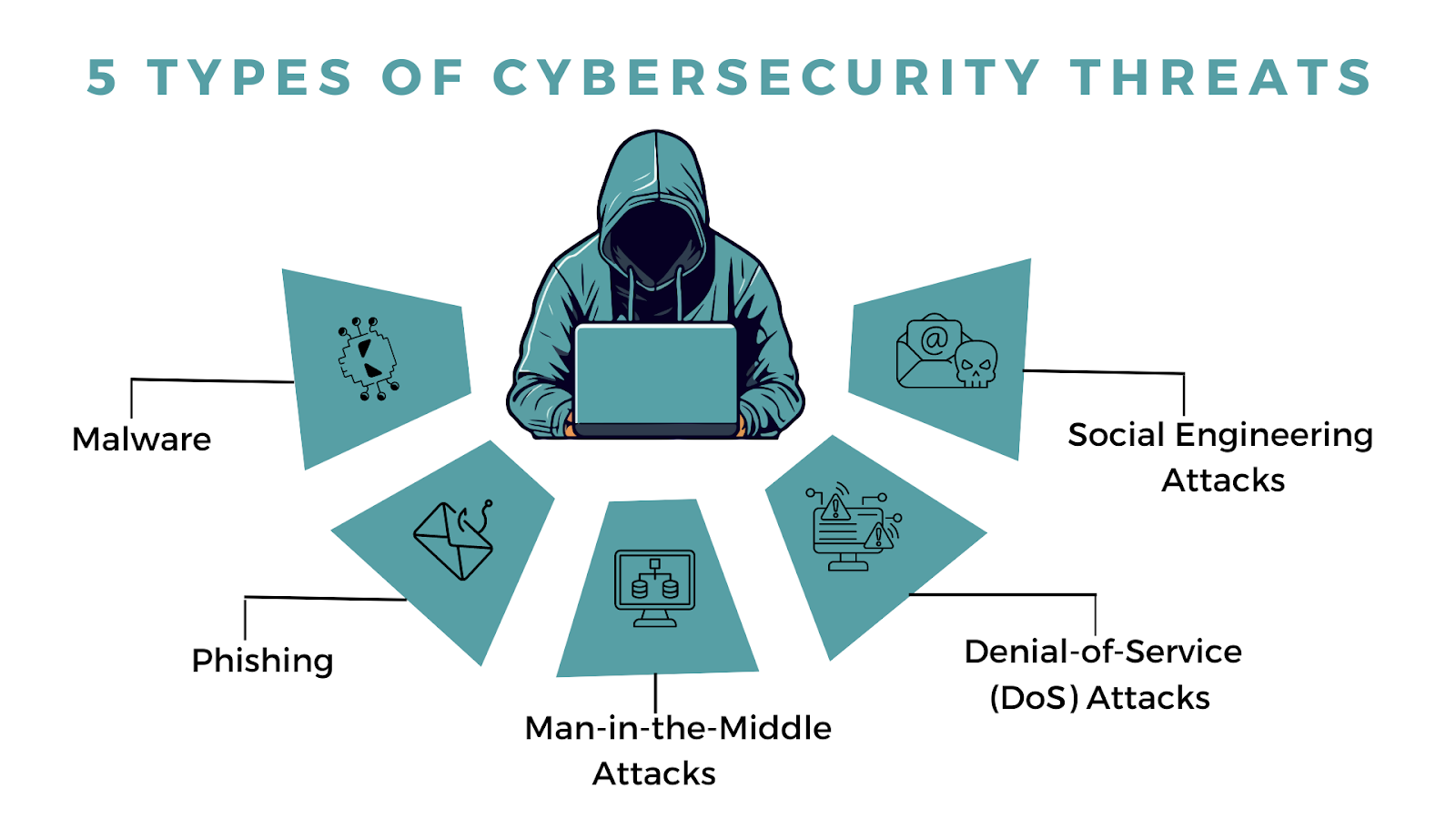
In today’s rapidly changing digital environment, cybersecurity has become one of the biggest concerns for individuals, businesses, and organizations worldwide. As technology continues to grow, cyber threats are becoming more advanced, more frequent, and more difficult to identify. From malware attacks and phishing campaigns to ransomware and unauthorized access attempts, attackers are constantly developing new methods to compromise systems and steal valuable information.
This is where Threat Detection plays a critical role.
Threat Detection is the process of identifying suspicious activities, security risks, and potential cyber attacks before they can cause serious damage. It combines advanced technologies, security practices, and intelligent monitoring systems to discover threats and help organizations respond quickly.
Modern businesses depend heavily on digital systems, cloud platforms, networks, and connected devices. While these technologies provide convenience and efficiency, they also create new opportunities for cybercriminals. A single security weakness can lead to financial losses, data breaches, reputational damage, and operational disruptions.
Threat Detection helps security teams stay ahead of attackers by continuously monitoring systems, analyzing unusual behavior, and identifying signs of possible attacks. It is an essential part of modern cybersecurity strategies and has become a necessity for organizations of all sizes.
What Is Threat Detection?
Threat Detection refers to the process of finding, analyzing, and identifying cybersecurity threats within a digital environment. It involves collecting security data from different sources, examining patterns, and detecting activities that may indicate an attack.
A threat can be anything that has the potential to harm a computer system, network, application, or data. These threats may include:
- Malware infections
- Ransomware attacks
- Data theft attempts
- Unauthorized login attempts
- Insider threats
- Network intrusions
- Phishing activities
- Advanced persistent threats (APTs)
The main goal of Threat Detection is not only to find threats but also to understand their behavior, determine their level of risk, and support faster responses.
Traditional security methods often depended on fixed rules and known attack patterns. However, modern cyber threats change quickly. Attackers frequently create new techniques that can bypass older security systems. Because of this, advanced Threat Detection solutions now use technologies such as artificial intelligence, machine learning, behavioral analysis, and automation.
Why Is Threat Detection Important?
Cyber attacks can affect organizations of every size. Small businesses, large corporations, government agencies, and individual users can all become targets. Without proper detection methods, attackers may remain hidden inside systems for weeks or even months.
Threat Detection is important because it helps:
1. Prevent Security Breaches
Early detection allows organizations to identify suspicious activities before attackers gain complete control. Finding threats at an early stage reduces the possibility of major damage.
2. Protect Sensitive Data
Businesses store large amounts of valuable information, including customer records, financial details, and confidential documents. Threat Detection helps protect this data from unauthorized access and theft.
3. Reduce Financial Losses
Cyber attacks can result in expensive recovery processes, legal costs, downtime, and lost business opportunities. Detecting threats quickly can significantly reduce these costs.
4. Improve Incident Response
When a security team understands what type of threat they are facing, they can take faster and more effective action. Threat Detection provides important information needed for incident investigation and response.
5. Maintain Customer Trust
Customers expect organizations to protect their personal information. Strong cybersecurity practices, including effective threat detection, help businesses maintain credibility and trust.
How Does Threat Detection Work?
Threat Detection works through a combination of monitoring, data collection, analysis, and response processes.
Data Collection
The first step involves gathering information from different sources, including:
- Network traffic
- Security logs
- User activities
- Applications
- Cloud environments
- Endpoint devices
This data provides security systems with visibility into what is happening across an organization’s digital infrastructure.
Threat Analysis

After collecting data, security tools analyze it to identify unusual patterns. For example, if a user suddenly accesses sensitive files from an unknown location, the system may recognize this activity as suspicious.
Detection and Alerting
When a possible threat is identified, security systems generate alerts. Security professionals review these alerts and determine whether they represent real attacks or normal activities.
Response and Investigation
Once a threat is confirmed, security teams investigate the source, contain the attack, remove malicious activity, and take steps to prevent similar incidents in the future.
Types of Threat Detection
There are several approaches used to detect cyber threats. Each method focuses on different aspects of security monitoring.
Network Threat Detection
Network Threat Detection focuses on monitoring network activity to identify suspicious communication, unauthorized access, and unusual traffic patterns.
It helps detect:
- Network intrusions
- Data transfers to unknown locations
- Suspicious connections
- Malware communication
Endpoint Threat Detection
Endpoint Threat Detection protects devices such as computers, laptops, and mobile devices. It monitors activities happening on individual devices and identifies possible infections or unauthorized actions.
Cloud Threat Detection
As more organizations move services to cloud platforms, cloud security has become increasingly important. Cloud Threat Detection monitors cloud environments for unusual behavior, configuration issues, and possible attacks.
User Behavior Analytics
This approach examines how users normally interact with systems. If a user suddenly behaves differently, such as accessing unusual files or logging in at strange times, the system can identify the activity as potentially risky.
The Role of Artificial Intelligence in Threat Detection
Artificial Intelligence (AI) has transformed the cybersecurity industry. Traditional security tools often struggled with new and unknown threats, but AI-based systems can analyze large amounts of data and recognize complex patterns.
AI helps Threat Detection by:
- Identifying unusual behavior
- Detecting unknown malware
- Reducing false alerts
- Automating security analysis
- Improving response speed
Machine learning models can study previous attacks and use that knowledge to recognize similar patterns in future incidents.
However, AI does not completely replace cybersecurity experts. Human analysis remains important because security decisions often require experience, judgment, and understanding of business risks.
Benefits of Threat Detection
Threat Detection provides powerful security advantages for individuals, businesses, and organizations by helping them identify and respond to cyber risks quickly. As cyber attacks become more advanced, having an effective threat detection system is essential for protecting digital assets and maintaining secure operations.
1. Early Identification of Cyber Threats
One of the biggest benefits of Threat Detection is the ability to discover security threats at an early stage. Early identification allows security teams to take action before attackers can cause serious damage to systems, networks, or sensitive information.
2. Protection of Sensitive Data
Businesses store important information such as customer details, financial records, and confidential documents. Threat Detection helps prevent unauthorized access and protects valuable data from theft, leaks, and cyber attacks.
3. Faster Incident Response
Threat Detection provides real-time alerts about suspicious activities, allowing security teams to investigate and respond quickly. A faster response can reduce the impact of security incidents and prevent further damage.
4. Reduced Financial Losses

Cyber attacks can result in major financial losses due to downtime, recovery expenses, legal issues, and damaged reputation. Effective Threat Detection helps reduce these risks by identifying threats before they become larger problems.
5. Improved Network Security
Threat Detection continuously monitors network traffic and identifies unusual behavior. This helps organizations detect unauthorized connections, suspicious activities, and possible intrusion attempts.
6. Better Visibility Into Security Activities
Threat Detection solutions provide detailed information about what is happening across systems, applications, and devices. This improved visibility helps security teams understand risks and make better security decisions.
7. Detection of Advanced Cyber Attacks
Modern attackers use complex techniques to avoid traditional security methods. Advanced Threat Detection tools use artificial intelligence and machine learning to identify sophisticated attacks that may otherwise remain hidden.
8. Protection Against Malware and Ransomware
Threat Detection systems can identify signs of malware infections and ransomware activities. Detecting these threats early helps organizations prevent data encryption, system damage, and operational disruption.
9. Increased Customer Trust
Customers expect companies to protect their personal information. Strong Threat Detection practices demonstrate a commitment to cybersecurity and help organizations build long-term customer confidence.
10. Enhanced Compliance and Security Management
Many industries require organizations to follow cybersecurity regulations and data protection standards. Threat Detection helps businesses maintain better security practices and support compliance requirements.
Conclusion
Threat Detection is a vital component of modern cybersecurity. It helps organizations identify risks, protect valuable information, respond to attacks quickly, and create a safer digital environment. By investing in effective threat detection solutions, businesses can strengthen their security and stay prepared for evolving cyber threats.
Frequently Asked Questions (FAQs) About Threat Detection
1. What is Threat Detection in cybersecurity?
Threat Detection is the process of identifying, analyzing, and responding to potential cyber threats before they can damage systems, networks, or sensitive data. It uses security tools, monitoring systems, artificial intelligence, and behavioral analysis to discover suspicious activities.
2. Why is Threat Detection important for businesses?
Threat Detection helps businesses protect their valuable information, prevent security breaches, reduce financial losses, and respond quickly to cyber attacks. It allows organizations to identify threats early and minimize potential damage.
3. How does Threat Detection work?
Threat Detection works by collecting security data from networks, devices, applications, and user activities. Security systems analyze this information to find unusual patterns, detect possible threats, and generate alerts for further investigation.
4. What are the common types of threats detected by security systems?
Threat Detection systems can identify many types of cyber threats, including malware, ransomware, phishing attacks, unauthorized access attempts, insider threats, data breaches, and advanced persistent threats.
5. What technologies are used in Threat Detection?
Modern Threat Detection solutions use technologies such as artificial intelligence (AI), machine learning, behavioral analytics, endpoint monitoring, network monitoring, and automated security tools to identify and respond to threats.
6. What is the difference between Threat Detection and Threat Prevention?
Threat Detection focuses on finding and identifying existing or potential security threats, while Threat Prevention focuses on stopping attacks before they happen. Both work together to create a stronger cybersecurity defense system.
7. Can Threat Detection systems identify unknown cyber attacks?
Yes, advanced Threat Detection systems can identify unknown attacks by analyzing unusual behavior, patterns, and activities rather than depending only on previously known threats. AI and machine learning help improve the detection of new attack methods.
8. Is Threat Detection only necessary for large companies?
No, Threat Detection is important for businesses of all sizes. Small businesses can also become targets of cyber attacks, and effective threat detection helps protect their systems, customer information, and operations.
9. How does Artificial Intelligence improve Threat Detection?
Artificial Intelligence improves Threat Detection by analyzing large amounts of security data quickly, identifying suspicious behavior, reducing false alerts, and helping security teams respond to threats faster.
10. What are the benefits of implementing Threat Detection solutions?

The main benefits of Threat Detection include improved security visibility, faster identification of attacks, better incident response, protection of sensitive data, reduced cybersecurity risks, and increased customer trust.
Conclusion
Threat Detection has become a fundamental part of cybersecurity in the modern digital age. As cyber threats continue to evolve, organizations must adopt advanced methods to identify and respond to attacks quickly.
By monitoring systems, analyzing behavior, and using modern technologies such as artificial intelligence, Threat Detection provides valuable protection against cyber risks.
A strong threat detection strategy allows businesses to secure their data, protect their customers, reduce financial damage, and build a safer digital future.